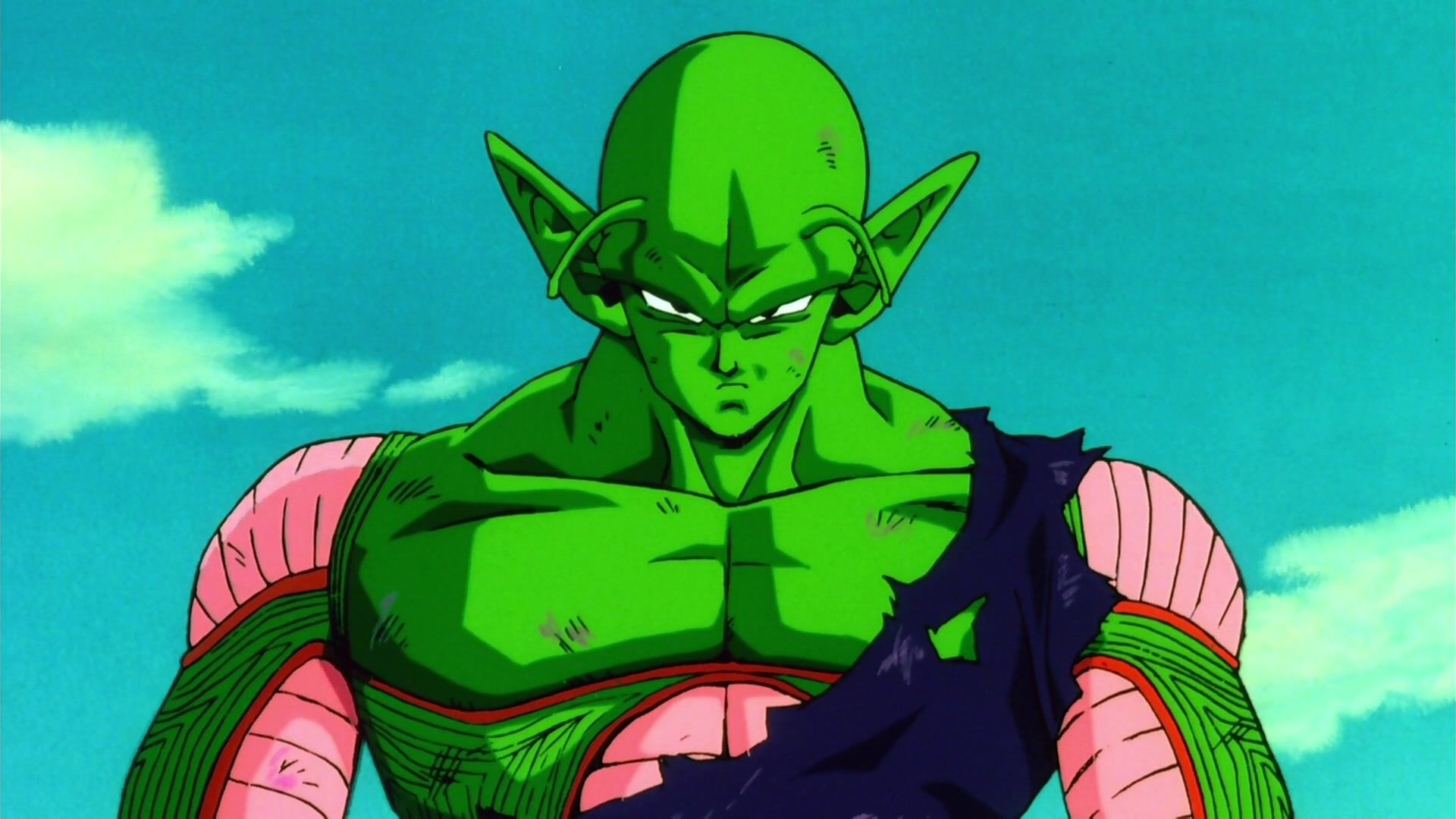
The anime boasts a highly recognizable cast, but not all characters receive significant development over time. Some begin with strong motivations, well-defined personalities, and the potential for a major role, only to have their importance diminish as the story evolves. They don’t necessarily disappear, but they no longer feel integral to the plot. This is a peculiar aspect of Dragon Ball: Akira Toriyama was incredibly skilled at creating compelling characters quickly, but the series also progresses at a rapid pace.
As Goku and the other Saiyans took center stage, many of the original characters and supporting heroes were sidelined. This is disappointing because they had interesting abilities, conflicts, or personalities that could have been further explored. Instead, Dragon Ball consistently moved past them, turning them into symbols of how quickly the series evolves and leaves characters behind.
Yamcha Went From Rival to Punchline Too Fast
It’s easy to forget how dangerous Yamcha used to be. When we first meet him in Dragon Ball, he’s a skilled desert bandit who actually challenges Goku. He introduces a unique fighting style and serves a clear purpose: showing us that Goku isn’t the only strong fighter out there – a whole world of skilled warriors and criminals exists.
At first, Yamcha seemed like he’d be a consistent rival to Goku. But as Dragon Ball progressed, the power levels of enemies increased dramatically, leaving Yamcha behind. Each new story arc highlighted how much weaker he’d become. Ultimately, his death during the Saiyan Saga – killed by a Saibaman – became the defining moment of his character, and a lasting symbol of his limitations, despite being a shocking event at the time.
Launch Was Too Fun to Disappear Without a Real Plan
Launch is a surprisingly forgotten character from the early days of Dragon Ball. What makes her unique is that her personality completely changes every time she sneezes! One minute she’s kind and gentle, the next she’s aggressive, boisterous, and quick to pull out a gun. This quirky, over-the-top humor was a great fit for the original Dragon Ball. For a while, Launch was a fun addition to the series, bringing a lot of unpredictable energy to the group.
Launch contributes to the feeling that Goku’s world is populated by quirky characters who unexpectedly become significant. This was part of what made early Dragon Ball so appealing. But as the series focused more on large-scale conflicts and higher stakes, Launch’s comedic role felt out of place, especially during the Saiyan and Namek sagas. The story never really found a way to give her character more emotional weight or purpose.
Tien Was Built Like a Major Rival Before the Story Lost Interest
Tien Shinhan makes a powerful impression early in Dragon Ball. He’s introduced as a formidable and tough opponent, with his unique third eye, training from the Crane School, and cold demeanor suggesting he’ll be a significant threat for a long time. What really sets him apart, though, is that he’s more than just another villain for Goku to overcome. Tien undergoes a genuine transformation, evolving from someone molded by ruthless teachers and a brutal philosophy of strength into an honorable fighter. This change gives his character real depth and impact.
Tien’s early fight with Goku is a classic rivalry. However, as the story moved into the Saiyan and Namek sagas, his role became less defined. While still portrayed as dedicated and honorable, he lacked a clear purpose and wasn’t given many important storylines. He had the potential to be a major character, but the series never fully developed him into the hero he initially seemed destined to become.
Goten Had Too Much Potential to Become This Irrelevant
Goten had the potential to be a really compelling character. As Goku’s younger son and a remarkably early Super Saiyan, his story presented a lot of possibilities. It made you wonder: what happens to a child with incredible power when the world faces huge threats he’s still too young to fully grasp? Initially, Goten’s personality was a great addition, bringing a bit of fun and lightness to the Buu Saga, particularly through his bond with Trunks.
It’s understandable why Goten and Trunks act so carefree – they’re incredibly strong, but haven’t yet learned to handle that power responsibly. This immaturity eventually holds them back. Goten, in particular, never really grows beyond being Trunks’ close friend and someone to fuse with. He remains good-natured but doesn’t fulfill his immense potential. After the defeat of Buu, Goten’s situation becomes even more unclear; despite having a powerful lineage, he lacks a clear path or purpose.
Kid Trunks Could Never Escape Future Trunks’ Shadow
Kid Trunks faces a tough situation for any young character: he’s overshadowed by his future self, who immediately establishes himself as incredibly powerful and popular. Future Trunks makes a huge impact, arriving with a sword, a devastated future, and impressive strength – including a memorable entrance where he quickly defeats Frieza and dramatically alters the story. It’s a hard act for Kid Trunks to follow, but he isn’t a bad character himself; he simply has a lot to live up to.
Trunks has incredible potential and could become incredibly powerful without much effort, but the story often limits him to being just one half of the Gotenks fusion. He’s frequently defined by his relationship with Goten, their fusion, or his own youthful arrogance, leaving him with little individual character development. While Future Trunks demonstrates the character’s potential for complexity, Kid Trunks suffers from a lack of direction when the tragic circumstances that define his future counterpart are removed.
Gohan Was Supposed to Take Over, Then the Story Took It Back
Right from the beginning of Dragon Ball Z, Gohan stands out as someone unique. His immense, untapped potential both frightens his opponents and amazes his friends, leading everyone to wonder what he’s capable of. Unlike Goku, Gohan doesn’t have a natural love for fighting; he’s kind, intelligent, sensitive, and often afraid. This makes his bursts of power all the more impactful. The Cell Saga expertly highlights these qualities. For a time, it even feels like the story might shift its focus away from Goku and onto Gohan.
The Buu Saga throws a wrench into Gohan’s story. He briefly becomes the quirky Great Saiyaman, a lighthearted turn after his intense battle with Cell. Throughout the saga, Gohan tries on many roles – student, hero, and powerful Ultimate warrior – but ultimately always takes a backseat when Goku and Vegeta reappear. The series repeatedly hints at Gohan’s incredible potential, but rarely allows him to fully realize it.
Piccolo Became Too Important to Ignore and Too Weak to Lead
Piccolo is a remarkably well-developed character in Dragon Ball, making his story arc particularly impactful. He starts as a ruthless enemy – the son of the villain King Piccolo, reborn with a thirst for revenge and power. However, his relationship with Gohan dramatically changes him. Through their bond, the series experiences a powerful emotional shift, as Piccolo transforms from a villain into a dedicated mentor and a core member of the team.
The story consistently finds ways to keep Piccolo relevant. He gains significant power by fusing with Nail on Namek and briefly returns to prominence after fusing with Kami during the Android Saga. However, as the series progresses and characters achieve Super Saiyan transformations and divine power, the power difference becomes too great. Piccolo remains a strong character, but he’s unable to take a leading role and is relegated to a supporting position for many years. He’s too valuable to disappear, but not powerful enough to naturally lead the charge.
- JPY KRW 予想・見通し・の予想
- SWATシーズン8、故ジェレミー・マルティネスとロビー・レドナーを追悼
- BTC 予想・見通し・の予想. BTC 暗号通貨
- 「ブリジャートン」シーズン4、死後ニコラス・ブレインブリッジとトニー・クーパーを讃える
- USD JPY 予想・見通し・の予想
- EUR JPY 予想・見通し・の予想
- CNY JPY 予想・見通し・の予想
- クリストファー・リーブの妻ダナは事故からどうやって命を救ったのか
- 「ペアレントフッド」キャスト:彼らは今どこに?
- USD CNY 予想・見通し・の予想
2026-05-23 22:46