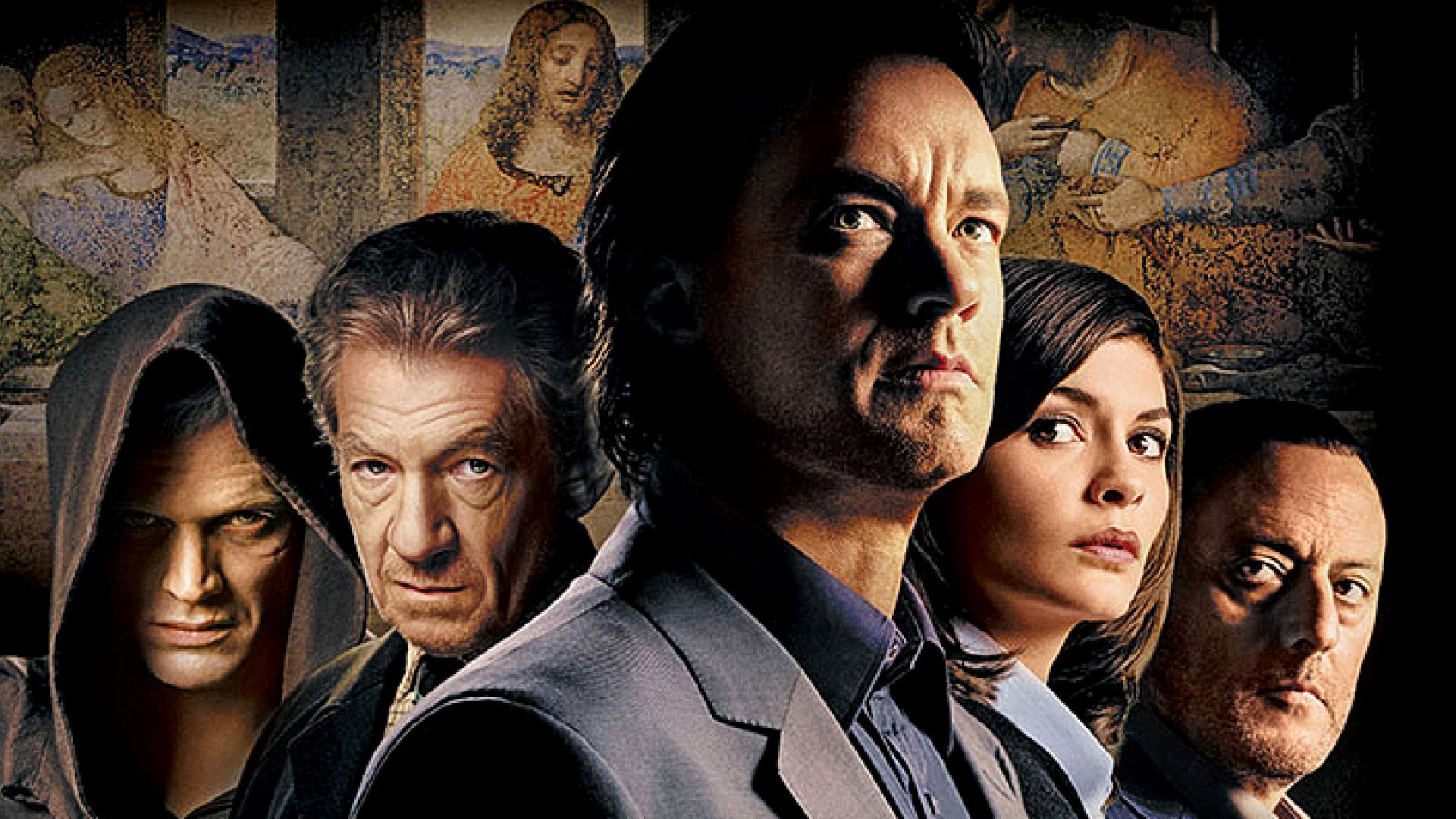
2006 年にロン ハワードがダン ブラウンの大人気小説をスクリーンに上映したとき、その反応はさまざまでした。批評家たちはあまり感銘を受けなかったが、観客はこの作品を見ようと殺到し、全世界で7億5,800万ドルの興行収入をもたらした。批評家からの評価が足りなかったにもかかわらず、ダ ヴィンチ コード は文化現象となり、一連の映画が誕生し、ロバート ラングドンは予期せぬアクション スターとしての地位を確立しました。
この物語の魅力はそのミステリアスなプロットにありましたが、その成功はまさに才能あるキャストにかかっています。ハワードは、有名なスター、国際的に認められた俳優、シーンを盗むキャラクター俳優を含む優れたグループを集め、ヨーロッパの大聖堂を巡るエキサイティングな宝探しに出発させました。最終的な作品は、驚くほどばかげていて魅力的なものでした。
ダ・ヴィンチ・ コードが公開されてから 20 年が経ち、関わった俳優たちはまったく異なる結果を見てきました。この映画のおかげで大スターになった人もいれば、俳優業を辞めたり、公の場から消え去った人もいた。何人かは何年も一貫して仕事を続け、堅実なパフォーマンスを発揮しましたが、必ずしもそれにふさわしい評価を得ているわけではありません。ここではダ・ヴィンチ・コードの全キャストと彼らの現在の様子を紹介します。
ユルゲン・プロホノフ — アンドレ・ヴェルネ
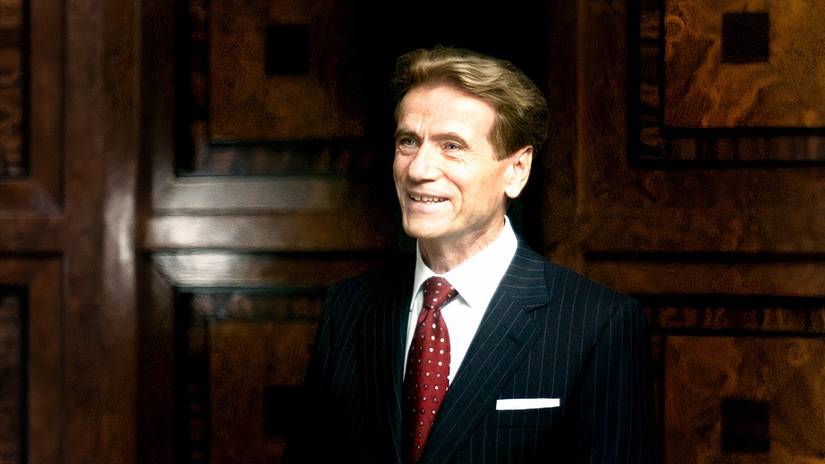
私はこの映画でアンドレ・ヴェルネを演じたユルゲン・プロホノウの演技がいつも大好きでした。彼はチューリヒ預金銀行の頭取を演じましたが、それは素晴らしかったです。この非常に冷静で、ほとんど不安になるほど穏やかな男ですが、明らかに内面が崩壊していました。それは大きな役ではありませんでしたが、プロホノウはこのキャラクターと映画全体のトーンに本当にぴったりの、信じられないほどの経験と静かな力をもたらしました。
This celebrated German actor has consistently delivered strong performances throughout his career. He’s best known for playing Captain Werner in the 1981 film Das Boot, a remarkably intense and realistic war movie that many consider one of the best ever made. That single role cemented his place in film history.
Since then, Prochnow has consistently worked in German television, European theater, and independent films around the world. He’s become a reliable and essential character actor – the kind every industry relies on, but doesn’t often give enough recognition to.
Jean Reno — Captain Bezu Fache
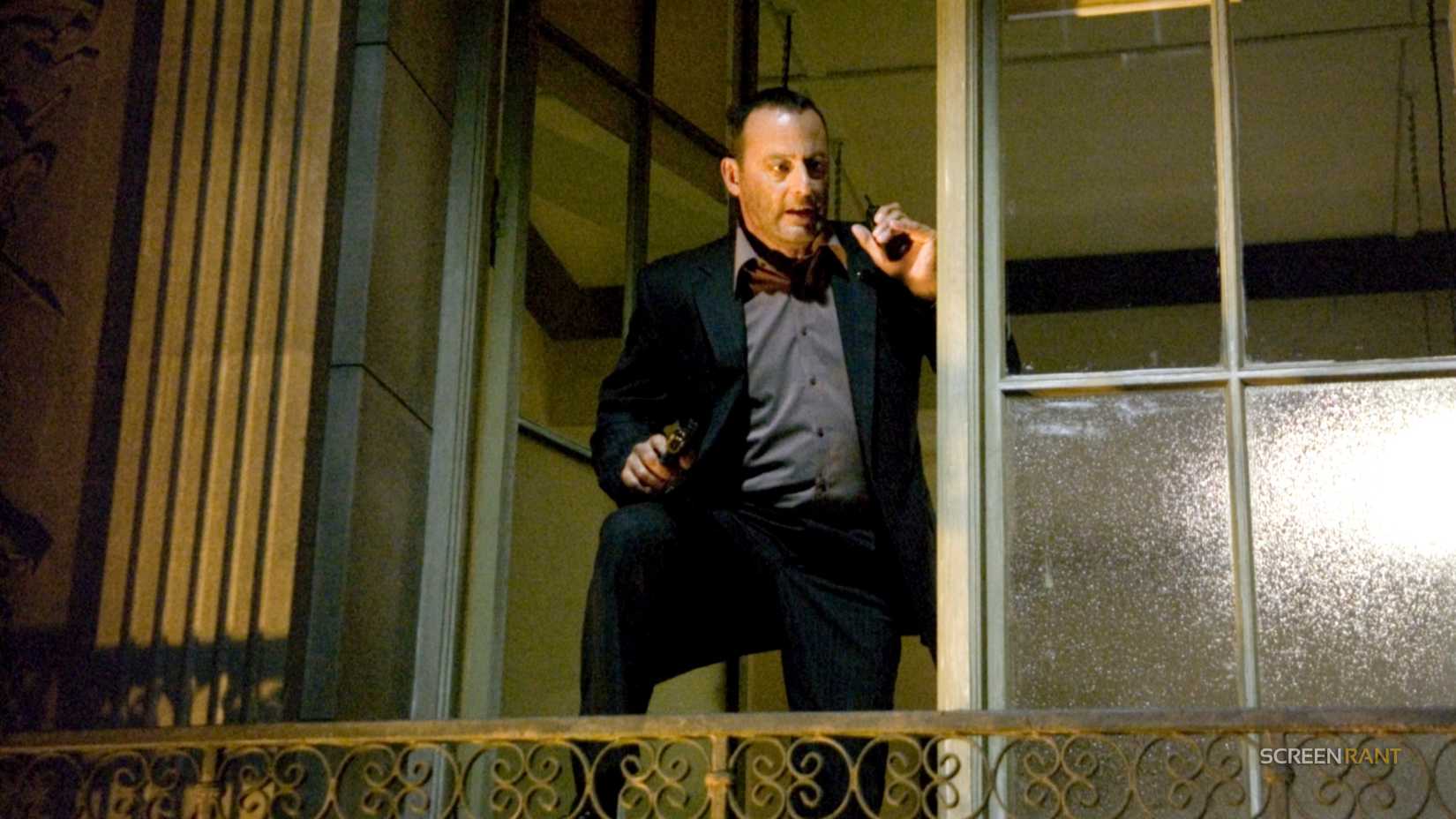
Jean Reno portrayed Captain Bezu Fache, known as “The Bull,” as a man convinced of your guilt from the start, merely going through the motions of collecting evidence. This performance showcases Reno’s strength: a carefully managed, powerful intensity.
Omar Sy has consistently worked since his breakout role in The Da Vinci Code. He’s been in films like The Pink Panther 2 and Da 5 Bloods, and gained huge popularity in the French action series Lupin, where his experienced presence helped ground the show’s younger actors. While French audiences have long appreciated his talent, the rest of the world is now starting to recognize it.
Alfred Molina — Bishop Manuel Aringarosa
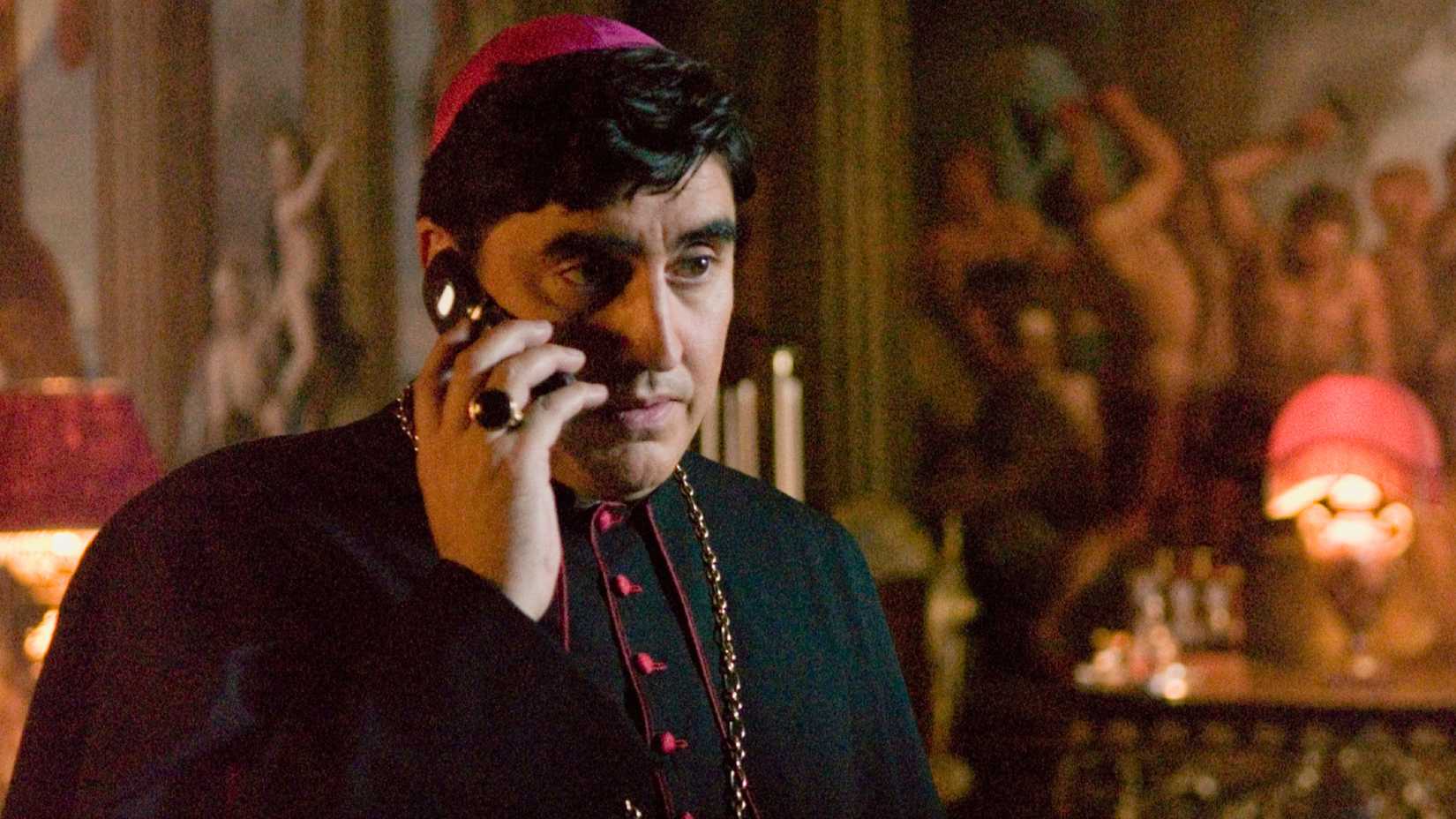
Alfred Molina brilliantly portrays Bishop Aringarosa as a man who sincerely believes he’s acting on God’s behalf, even as his actions consistently create more problems. It’s a tricky role requiring a delicate balance, and Molina handles it with ease. In fact, he’s been making challenging performances look effortless for forty years.
Alfred Molina has built an impressively long and varied career since his role in The Da Vinci Code. He’s consistently worked as a voice actor in popular animated films and video games, and has continued to perform on stage. However, he reached a new peak in 2021 when he returned as Doctor Octopus in Spider-Man: No Way Home. The film was a massive success, introducing his talent to a new generation and reminding everyone just how skilled an actor he is.
Audrey Tautou — Sophie Neveu
Audrey Tautou portrayed Sophie Neveu as a clever, capable character burdened by a family history she’s still uncovering, bringing her signature thoughtful presence to the role. She’d already become a global star thanks to the 2001 hit Amélie, a widely adored French film. Despite Hollywood’s eagerness to work with her, Tautou generally wasn’t looking for more roles there.
Audrey Tautou, known for her roles in films like Coco Before Chanel and The Jesus Rolls, has largely stepped away from acting lately. She’s now focusing her creativity on photography and visual art, recently exhibiting her work at the Paris Photo Show. She appears content with this more peaceful path, a contrast to the Hollywood career many expected for her.
Paul Bettany — Silas
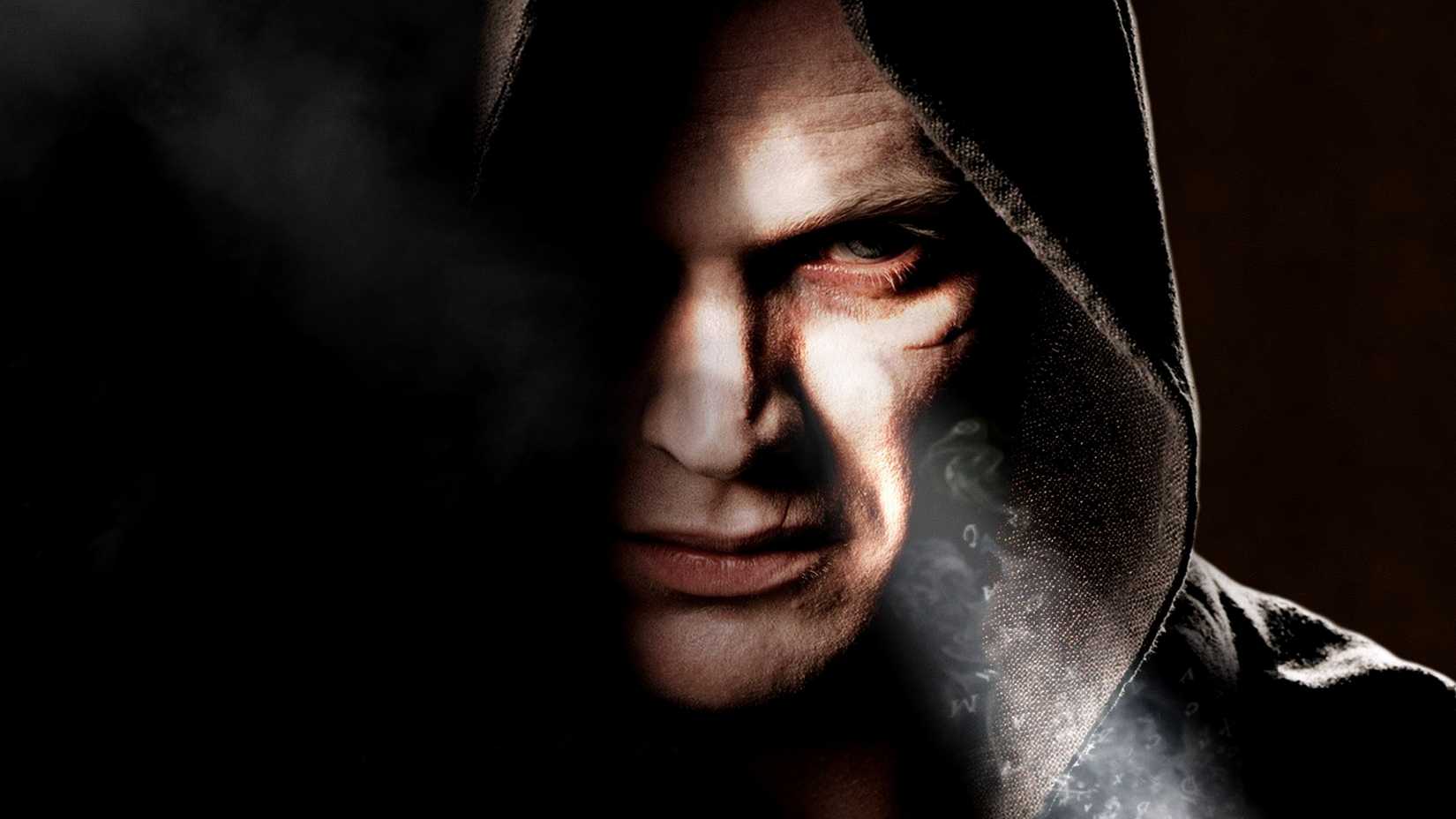
Paul Bettany’s portrayal of Silas is a standout villainous performance from the 2000s. He played a haunting and fanatical albino monk who inflicts pain on himself and follows the commands of a mysterious leader known only as ‘The Teacher.’ Despite his actions, Bettany brought a level of humanity to the character that made him surprisingly sympathetic, going beyond what the script initially called for.
Bettany’s path within the Marvel Cinematic Universe was surprisingly noteworthy. He began by voicing the character J.A.R.V.I.S. for several years, and later transitioned to playing Vision on screen.
After years of consistently strong performances, the actor gained widespread praise for his role in the popular Disney+ series WandaVision. He’s now coming back for the new series VisionQuest, ensuring he’ll remain a key part of the Marvel Cinematic Universe for years to come.
Ian McKellen — Sir Leigh Teabing
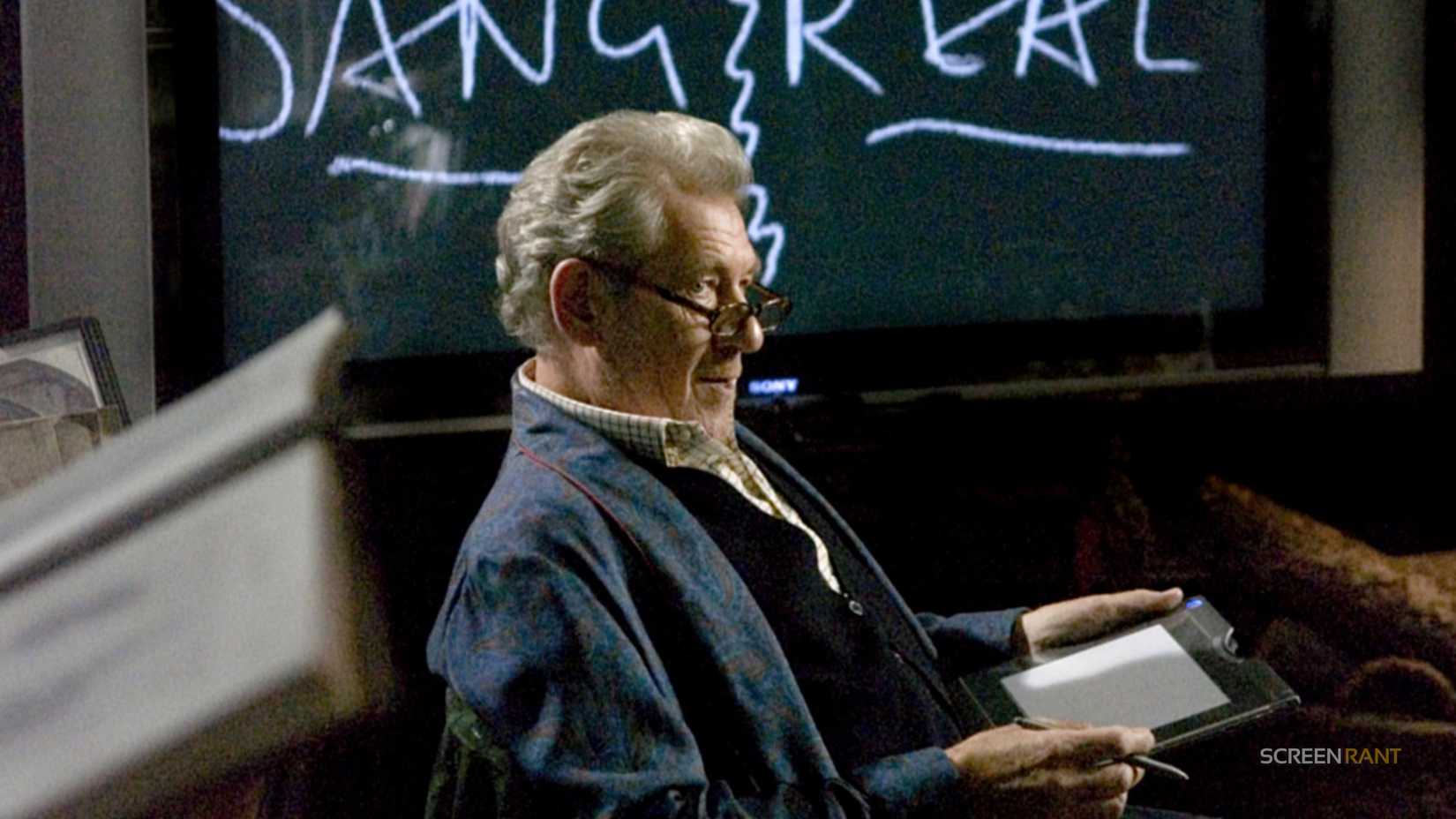
Ian McKellen’s portrayal of Sir Leigh Teabing—a rich historian with a cane who knows a lot about the Holy Grail, but is hiding a troubling secret—is captivating because you can see McKellen enjoying the process of slowly revealing his character’s true nature. He clearly understood the over-the-top style of the film and played it perfectly: dramatic, charismatic, and a little too likable for a little too long.
Ian McKellen was already incredibly famous for roles like Gandalf in The Lord of the Rings and Magneto in X-Men when he landed the part in The Da Vinci Code, and he’s been consistently working ever since. He’s appeared in recent films like The Critic and will be in Steven Soderbergh’s upcoming The Christophers, but McKellen is most dedicated to the British stage. He continues to perform in London’s West End and is planning a new production of King Lear, a role that seems perfect for an actor of his caliber.
Tom Hanks — Robert Langdon
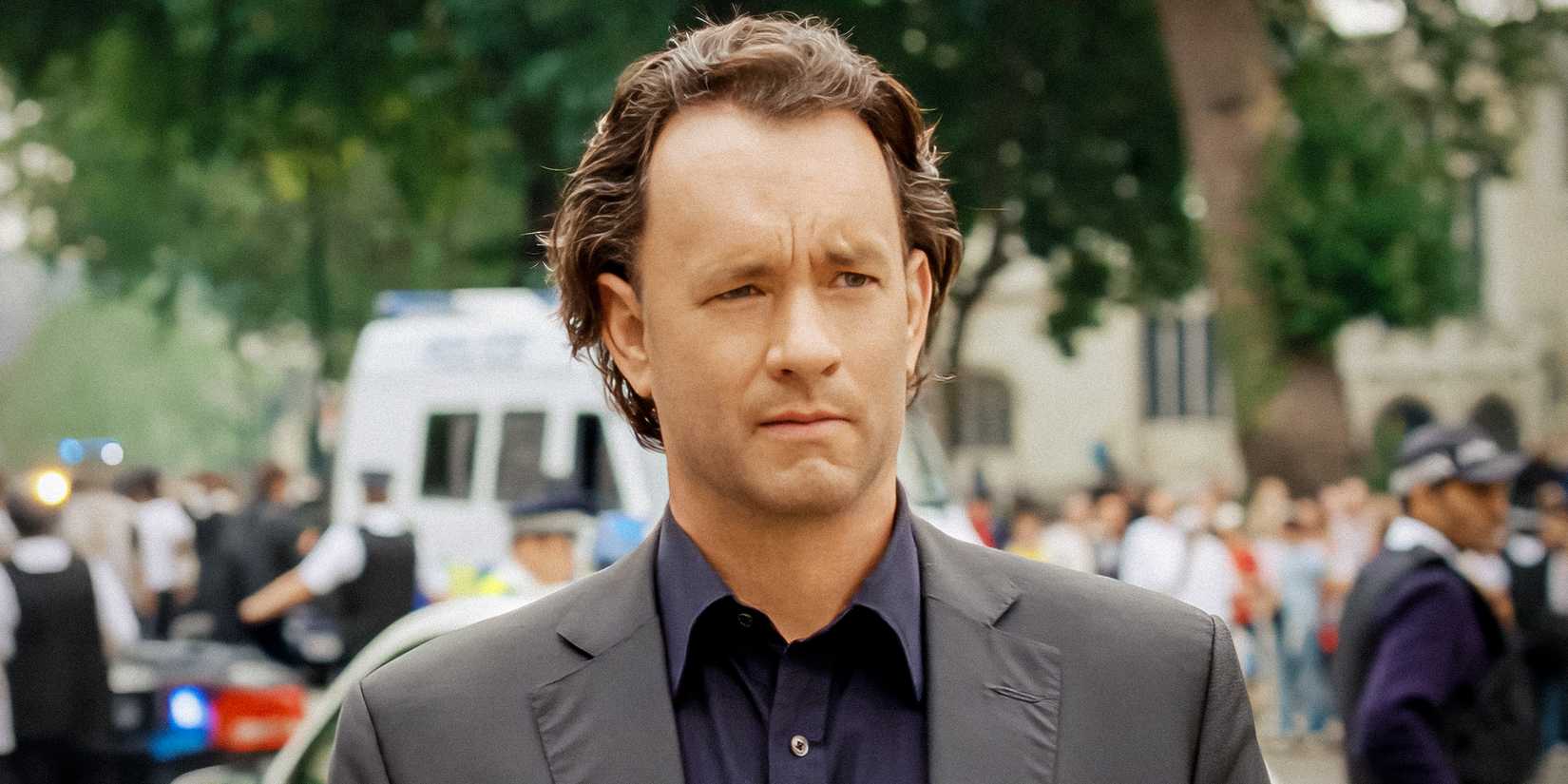
Tom Hanks was already a highly acclaimed actor when he began filming The Da Vinci Code, and he’s continued to build on that success. He played Robert Langdon – a Harvard expert in symbols with a knack for uncovering old mysteries – in all three movies, bringing his signature style of sincere and understated leading-man presence to the role, a style he’s honed throughout his career.
After moving beyond his iconic film roles, Tom Hanks has consistently earned praise for his acting—including recent performances in Elvis and A Man Called Otto—and has also become more involved behind the scenes as a writer, producer, and author. This year, he’s revisiting a subject he’s known for—World War II—with a large 20-part documentary series, World War II with Tom Hanks, on the History Channel. Remarkably, after nearly 45 years of consistent work, Tom Hanks continues to deliver outstanding performances and shows no signs of slowing down.
FAQ
Q: What is the main difference between the book and the movie?
The movie stays pretty true to the book, but the way the puzzles are solved is different. In the novel, Sophie Neveu plays a bigger role in cracking the codes, while the film gives those moments to Robert Langdon to keep the story moving quickly. The movie also simplifies some of the book’s detailed historical and religious explanations, choosing to emphasize the thriller elements instead.
Q: Is Silas based on a real person?
Silas is a character invented by author Dan Brown. He’s portrayed as a member of Opus Dei, which is a genuine organization within the Catholic Church. The real Opus Dei strongly objected to both the book and film, believing they presented a misleading and exaggerated view of the organization’s beliefs and how it operates.
Q: Did they actually film inside the Louvre?
The production team was allowed to film inside the Louvre Museum in Paris, but with many restrictions. They could only film at night after the museum closed, and they weren’t permitted to shine lights directly on the original Mona Lisa – a copy was used for close-up shots instead. To protect the artwork and the museum, any scenes with blood or that involved marking the floor were filmed on carefully constructed replica sets at Pinewood Studios in the UK.
Q: What are all the books in the Robert Langdon series and in what order?
Dan Brown’s Robert Langdon series includes five novels. Although The Da Vinci Code is the book most people know, it’s actually the second story in the series. Here’s the order to read them in:
- Angels & Demons (2000)
- The Mystery: Introduces Langdon as he navigates a race against time involving the Illuminati and the Vatican.
- Screen Adaptation: This was adapted into a major feature film sequel in 2009, with Tom Hanks returning and Ron Howard back in the director’s chair.
- The Da Vinci Code (2003)
- The Mystery: The massive blockbuster hit centered around hidden messages in Leonardo da Vinci’s art and the Holy Grail.
- Screen Adaptation: This was the first book in the series to hit the big screen, releasing as the massive 2006 box office juggernaut.
- The Lost Symbol (2009)
- The Mystery: Shifting the setting to Washington, D.C., this installment follows Langdon as he decodes Freemason secrets.
- Screen Adaptation: Instead of a movie, this book was adapted into a short-lived, single-season live-action television series in 2021, featuring Ashley Zukerman as a younger Robert Langdon.
- Inferno (2013)
- The Mystery: A high-stakes puzzle hunt across Europe centered around Dante’s Inferno and a global population threat.
- Screen Adaptation: This book served as the third and final film in Ron Howard’s Tom Hanks-led cinematic trilogy, releasing in theaters in 2016.
- Origin (2017)
- The Mystery: Langdon travels to Spain to navigate a mystery involving artificial intelligence and humanity’s ultimate beginnings.
- Screen Adaptation: This novel has not yet been adapted for film or television, remaining strictly on the page for now.
- JPY KRW 予想・見通し・の予想
- SWATシーズン8、故ジェレミー・マルティネスとロビー・レドナーを追悼
- 「ブリジャートン」シーズン4、死後ニコラス・ブレインブリッジとトニー・クーパーを讃える
- EUR JPY 予想・見通し・の予想
- BTC 予想・見通し・の予想. BTC 暗号通貨
- USD JPY 予想・見通し・の予想
- CNY JPY 予想・見通し・の予想
- 「フロム」シーズン3の最終回でジル・グリーンに敬意を表
- 『ザ・ケージ』シーズン 2 が Netflix 番組制作者から希望に満ちた最新情報を入手
- グッド・オーメンズ シーズン 3 の再臨の説明と解説アジラフェルが現状を変えたい理由
2026-05-17 22:01