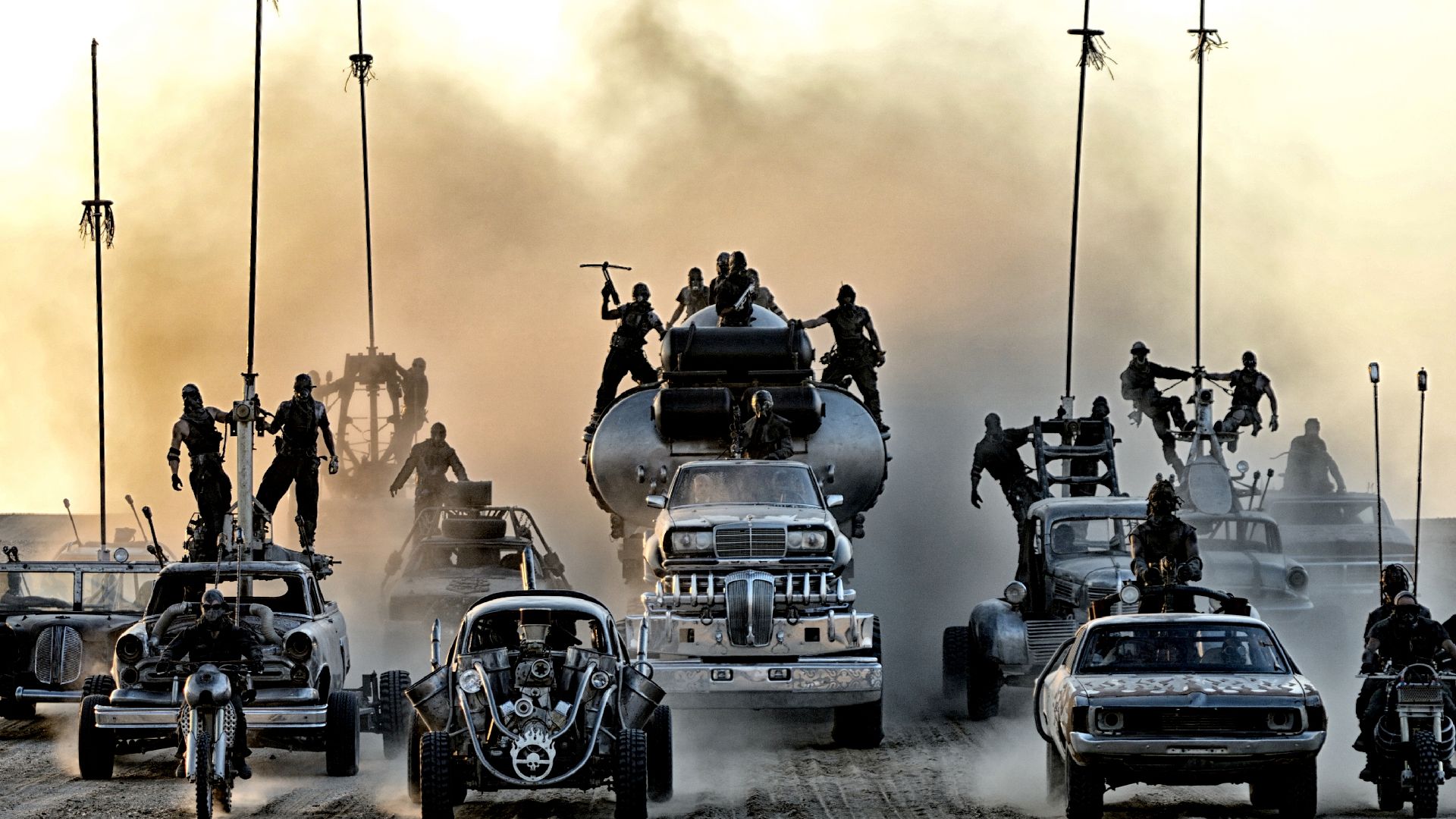
マッド マックス の根強い人気は、その控えめなスタートを考えるとさらに印象的です。ジョージ・ミラーは 1979 年にわずかな予算で最初の映画を製作しましたが、その額は今日の巨額予算の大ヒット作と比べれば笑えるほどの額です。その小さな始まりから、今でも視聴者を興奮させる大規模な映画シリーズが成長しました。そしてマッドマックスは、少なくとも最初は、その成功がすぐに状況を変えることはありませんでした。
ジョージ・ ミラーのオリジナルのマッドマックスは、終末的な荒涼とした世界を舞台にした、ペースの速いアクション満載の映画でした。それは、キャラクターが大幅に改造された車両を使用して支配を争う、ザラザラした、燃料と革の匂いがする独特のビジュアル スタイルを作成しました。この世界では、誰が最も強い車、十分なガソリン、そして敵に対してそれを使用する勇気を持っているかが権力を握っていました。
マッド マックス 2: ロード ウォリアー はより多くの予算とより多くの注目を集めましたが、ジョージ ミラー監督は機能するものにこだわり、アクション満載のハイスピード追跡映画をまた作りました。マックス自身は、彼の周囲の世界がさらに混乱に陥るにつれて、より傷ついた皮肉なキャラクターになりましたが、続編はオリジナルのマッドマックスの気骨のあるスタイルに忠実でした。
1985 年の映画マッドマックス ビヨンド サンダードーム ですべてが変わりました。ジョージ・ミラー監督は突然、衝撃的なスタイル変更を行ったが、これは今でも場違いに感じられる。 マッド マックス シリーズは後にこれが正しい方向ではないと認識しましたが、振り返ってみると ビヨンド サンダードーム がさらに異常なものとして目立つだけです。
『Beyond Thunderdome』は、グーニーズをもう少し強烈に表現したものです

最初の 2 つのマッド マックス 映画は自然に互いに流れ込んでいきましたが、ビヨンド サンダードーム は著しく異なっているように感じられました。より洗練された外観、よりシンプルなストーリー、そしてティナ・ターナーによる記憶に残るパフォーマンスが特徴でした。 ロードとリロードがメタリカのサウンドをリフレッシュしたのと同じように、この映画がマッド マックス シリーズを活性化したと言う人もいるかもしれません。ただし、これらの変更は必ずしも悪いものではなく、シリーズの中核となるアクション ジャンルを根本的に変えるものではありませんでした。
マッド マックス ビヨンド サンダードーム が以前の映画と異なる点は、そのストーリーです。映画の中盤あたりで、マックスが隠れたオアシスに住む若い生存者のグループに出会うと、映画はまるで黙示録的なひねりを加えたリチャード・ ドナー監督のグーニーズのような古典的な 1980 年代の冒険へと移ります。荒涼とした風景は、子供たちがブランコや滑り台を楽しんでいて、より楽しい気分になり始めます。マックスも驚くほど饒舌になり、陰気なアンチヒーローから父親のような存在へと進化する。最後のアクションシーンでも、悪役がフライパンで何度も殴られるなど、よりコメディ的な展開になっています。
『Beyond Thunderdome』は結末はあるものの、実際にはロードムービーではない。最初の 2 つのマッド マックス映画では車と追跡が中心でしたが、3 番目の映画では主に 2 つの場所でのみ行われ、間に徒歩での移動が少しだけ含まれています。
その結果、マッド マックス ビヨンド サンダードーム は、初期の映画の暗いロードトリップ スタイルから遠ざかりました。終末世界の設定はあまり暗く感じられず、映画では短いロードシーンのみがフィーチャーされ、 ジョージ・ ミラー監督の最初の 2 つのマッドマックス映画の生々しい強烈な雰囲気はトーンダウンされました。 Beyond Thunderdome は、より典型的な 1980 年代のアクション映画になりました。正確にはファミリー映画ではありませんが、前作よりも広く一般の視聴者をターゲットにしていることは間違いありません。
Mad Max Realized Its Mistake Ahead Of Fury Road
Despite being the least popular of the Mad Max films, Beyond Thunderdome is still a lot of fun to watch. The entire Mad Max series is remarkably consistent – even the ‘weakest’ installment is as good as a less-loved album by a legendary band like Led Zeppelin, which is high praise indeed.
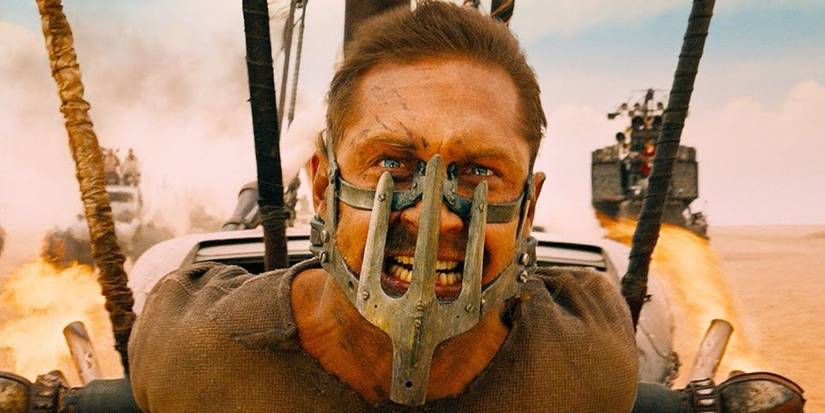
While Beyond Thunderdome was easier to watch and had clearer themes, it wasn’t what originally drew audiences to Max Rockatansky. By the time Mad Max Fury Road arrived in the 2010s, a fresh start was necessary. With decades having passed and a new actor, Tom Hardy, taking on the lead role, Fury Road had the potential to introduce Mad Max to a new generation. The question was whether it would recapture the brilliance of The Road Warrior – updating the original’s gritty feel with modern filmmaking – or become more like Thunderdome, conforming to typical Hollywood expectations. Thankfully, Mad Max Fury Road chose to follow the path of its predecessor and deliver something truly special.
Hugh Keays-Byrne was back, this time as the intimidating Immortan Joe. A more menacing villain than his previous role as Aunty Entity, Joe revitalized the gritty, aggressive energy that defined the Mad Max series. The fourth film returned to the core themes of survival and brutal conflict within a post-apocalyptic Australia, and truly earned its title Fury Road with even more spectacular vehicles and high-octane chases.
But Fury Road wasn’t simply a rehash of familiar Mad Max themes. Similar to its predecessor, The Road Warrior, it built upon what came before, transforming into something even more impressive. It became both strikingly beautiful and disturbingly unsettling, evolving in unexpected ways.
Beyond Thunderdome Lacks The One Thing Every Other Mad Max Has
A key to the lasting appeal of Mad Max is its timeless quality. Beyond improvements in visuals and changing styles, the films feel disconnected from any specific era. The fact that Mad Max and The Road Warrior were made outside the traditional Hollywood system, coupled with the franchise’s deliberately unclear timeline, creates a world unto itself. This allows Mad Max to remain relevant even after long breaks – like the 30-year gap before Fury Road, which felt fresh and powerful, completely ignoring passing trends and expectations.
Unlike the other Mad Max films, Beyond Thunderdome is very much a product of the 1980s. It’s not just the style and music, but the overall feel – a sense of youthful adventure and straightforward heroism – that defines it. This film truly belongs to that specific era and couldn’t have been made at any other time. The other films, Mad Max and The Road Warrior, would still feel relevant today, and Fury Road could have easily been made back in 1981 as a direct sequel to the original. Beyond Thunderdome is the only one that feels incomplete without understanding the 1980s context in which it was created.
2026-05-27 19:40