アニメではキャラクターが生き返ることがよくありますが、中には本当に衝撃的な死もあるのです。これらの衝撃的で暴力的で悲痛な瞬間は、それらが発生するショーの方向性と全体的な雰囲気を根本的に変えます。
物語はしばしば登場人物を変え、賭け金を高め、私たちが期待するものを完全に変え、私たちに新しい現実との対峙を強います。場合によっては、喪失そのものよりも喪失の影響の方が大きく、登場人物や観客に深い感情的およびイデオロギーの変化を経験させることがあります。うまくできれば、これらのインパクトのある瞬間は視聴者の心に残り、世界中に永続的な感情的な印象を残します。
『HUNTER×HUNTER』でカイトが殺されたとき、ゴンは無実を失った
キメラアント編は物語の転換点であり、不穏な死に満ちていました。ゴン・フリークスは以前は無実で知られていたが、目撃した恐怖に深く影響を受けた。カイトの死は、シリーズの軽快な冒険から、はるかに暗く、より心理的に激しい物語への移行を明確に示しました。
それほど衝撃的だったのは、カイトの死だけではありませんでした。ネフェルピトーは切断された頭を残酷にもてあそび、体を縫い合わせて恐ろしい人形に仕立て上げました。この極端な暴力はゴンに深い影響を与え、彼の怒りと罪悪感を解き放ち、彼を悪役になる寸前まで追い詰めました。さらに、カイトに起こったことは、これまでのハンター x ハンターで見られたものとは異なり、キメラアントが真に恐ろしい悪役であることを確立しました。
呪術廻戦で七海健人を失った雄二の心と魂は壊れた
呪術廻戦のあらゆる悲しい出来事の中でも、七海健人の死は特に衝撃的で、ヒーローがしばしば最大の困難に直面する世界において、視聴者と登場人物を同様に震撼させました。ナナミは、呪いと戦うことが自分の責任であると信じ、常に静かな義務感を持って危険な仕事に取り組んでいました。ファンも主人公の虎杖悠仁もナナミを愛するようになり、マヒトの手による彼の早すぎる死はさらに悲痛なものとなった。
七海は重度の火傷を負いながらも気を引き締めようとしたが、それでも彼を救うには十分ではなかった。雄二は、マヒトがナナミの上半身を冷酷に破壊し、指導者の残忍な死を目の当たりにすることになった。そのすぐ後に釘崎野薔薇もマヒトによって殺されたとき、雄二は完全に打ちのめされ、これらの喪失の精神的な影響は、渋谷での出来事が終わった後もずっと彼に影響を及ぼし続けた。
エルヴィン・スミスの死が「進撃の巨人」の地鳴りを間接的に引き起こした
進撃の巨人 を見るということは、登場人物が死ぬことに慣れることを意味します。マイク ザカリアス、フェイ イェーガー、マルコ ボットの死のように、本当に衝撃的な死もありました。しかし、私とこの物語に登場するすべての人々にとって本当に心に残った喪失は、シガンシナ区への帰還中に起こりました。エルヴィン・スミスはパラディ島の立役者であり、その素晴らしい人格、強い道徳心、現実的な思考で疲れを隠していました。彼の死は今までとは違うものに感じられた。それは次に起こったすべてのことを通して本当に響き渡りました。
リヴァイに隙を与えるために行われた、獣の巨人に対するエルヴィンの無私で致命的な攻撃は、視聴者が何が起こるかを知っていたため、暗い兆候のように感じられました。タイタンの血清が彼を救った可能性もありますが、進撃の巨人は同じく瀕死のアルミンを引き継ぐことを選択しました – エルヴィンもそれを承認したであろう犠牲。悲しいことに、この決定は深い分裂を引き起こし、イェーガリストの台頭、そして最終的には広範囲にわたる紛争につながりました。
煉獄杏寿郎は鬼滅の刃で決して忘れられないでしょう
『Demon Slayer』は、優しくて強いヒーローとしての竈門炭治郎の心温まる描写だけでなく、衝撃的な悲劇的な瞬間でも知られるようになりました。シリーズでは最終選別中に若いキャラクターの死が描かれていましたが、強力でインスピレーションを与えた柱である煉獄杏寿郎の死は特に衝撃的でした。煉獄は、少年アニメによく見られる勇気と高い理想を完璧に表現しました。
炎柱の煉獄は物語の中心人物となる運命にあったようで、猗窩座との戦いは非常に悲痛なものとなった。煉獄は自分が死ぬことを知っていても、他の全員を救うことに集中して勇敢に戦い続けました。彼の犠牲は炭治郎、善逸、伊之助に深く影響を与え、特に炭治郎は柱の手当てを自身の刀に組み込むことで煉獄の魂を引き継いだ。
ポートガス・D・エースを失った結果、文字通りワンピースのタイムスキップが起こった
今日の多くのアニメと比較すると、ワンピースは、キャラクターの死が必ずしも彼らが永久に消滅することを意味するわけではないときに始まりました。非常に多くの登場人物が殺されて生き返ったので、死の衝撃があまり感じられないことがよくあります。これが、ポートガス・D・エースの死が非常に衝撃的であった理由かもしれません。それは真に永遠の喪失でした。ファンは、あの瞬間の前も後も、ルフィがこれほど打ちのめされるのを見たことがなかった。
エースは兄とともに脱出にほぼ成功し、一時ファンに生存の希望を与えたが、最終的に死亡が確認された。この喪失はワンピース の大きな転換点となり、2 年のタイムスキップに直接つながり、ルフィと麦わらの一味がさらに強くなる動機となりました。それを超えて、物語は起こったことの結果に対処する必要があり、それには今後のファイナルサーガでの主要な敵対者との対決が含まれる可能性が高いようです。
Jiraiya’s Death Forced Naruto to Understand Pain in Naruto: Shippuden
At first, Naruto relied heavily on Jiraiya, a mentor who was like a grandfather to him and helped guide him. Jiraiya remained hopeful even after facing many failures and witnessing war, so his death felt like a huge loss of security for Naruto. After that, the story became noticeably more serious and somber.
Jiraiya discovered Pain’s secret while fighting him, but sadly passed away before he could fully utilize the knowledge. Despite this, Jiraiya’s death profoundly impacted Naruto, driving him to fight with a new intensity. Ultimately, Naruto defeated Pain not through anger or revenge, but by truly understanding his enemy.
Thors Snorresson’s Death Continues to Echo Loudly in Vinland Saga
This story explores the endless human capacity for revenge. Thorfinn is driven entirely by a desire to avenge his father, Thors, whose death in Episode 4 deeply impacts his formative years. It’s ironic that Thors himself had come to believe violence was pointless and tried to leave war behind, yet his past ultimately led his son down the very path he’d abandoned.
Though a highly skilled fighter, Thors gave up to Askeladd only to safeguard Thorfinn, a selfless act that cost him his life. This event shattered Thorfinn’s innocence, turning him into a ruthless killer, and each subsequent battle demonstrated how his father’s lessons had been twisted. Throughout Vinland Saga, the series consistently revisits Thors’ core belief – that a real warrior doesn’t need a weapon – prompting both Thorfinn and the audience to question the true meaning of combat.
Code Geass Was Thoroughly Recontextualized by Lelouch’s Chosen Fate
The ending of Code Geass dramatically changed how viewers understand the entire series. Initially, the story seems to be about Lelouch Lamperouge trying to take over the world. However, a closer look reveals his actions stemmed from a deep need to control others and rebuild society based on his own vision. Ironically, Lelouch’s pursuit of a perfect world ultimately turned him into the kind of oppressive ruler he originally fought against.
While many anime villains embrace evil, Lelouch chose a path to redemption through a plan called the Zero Requiem. He deliberately acted as the world’s greatest villain, hoping to rally everyone against him, and then carefully arranged his own death to secure lasting peace. Though only a handful truly understood his sacrifice, Lelouch proved that even someone deeply flawed could ultimately choose good.
Hawks Murdering Twice Shattered the Foundations of Heroism in My Hero Academia
The story highlights how easily the line between hero and villain can become blurred, particularly when society defines these roles. The League of Villains, aside from the manipulation of All For One, arose because society cast aside and ignored people who were already struggling, ultimately creating a cycle of failure. Twice perfectly embodies this heartbreaking truth.
When Hawks falsely claimed to switch sides from the Hero Public Safety Commission, Twice believed he’d finally found someone who understood him. However, their connection was a deception, and Hawks was the one who ultimately caused Twice’s death. The motive behind it was irrelevant, as the act itself blurred the lines between hero and villain. After this event, My Hero Academia began to heavily explore the difficult and often terrible price of upholding a heroic society.
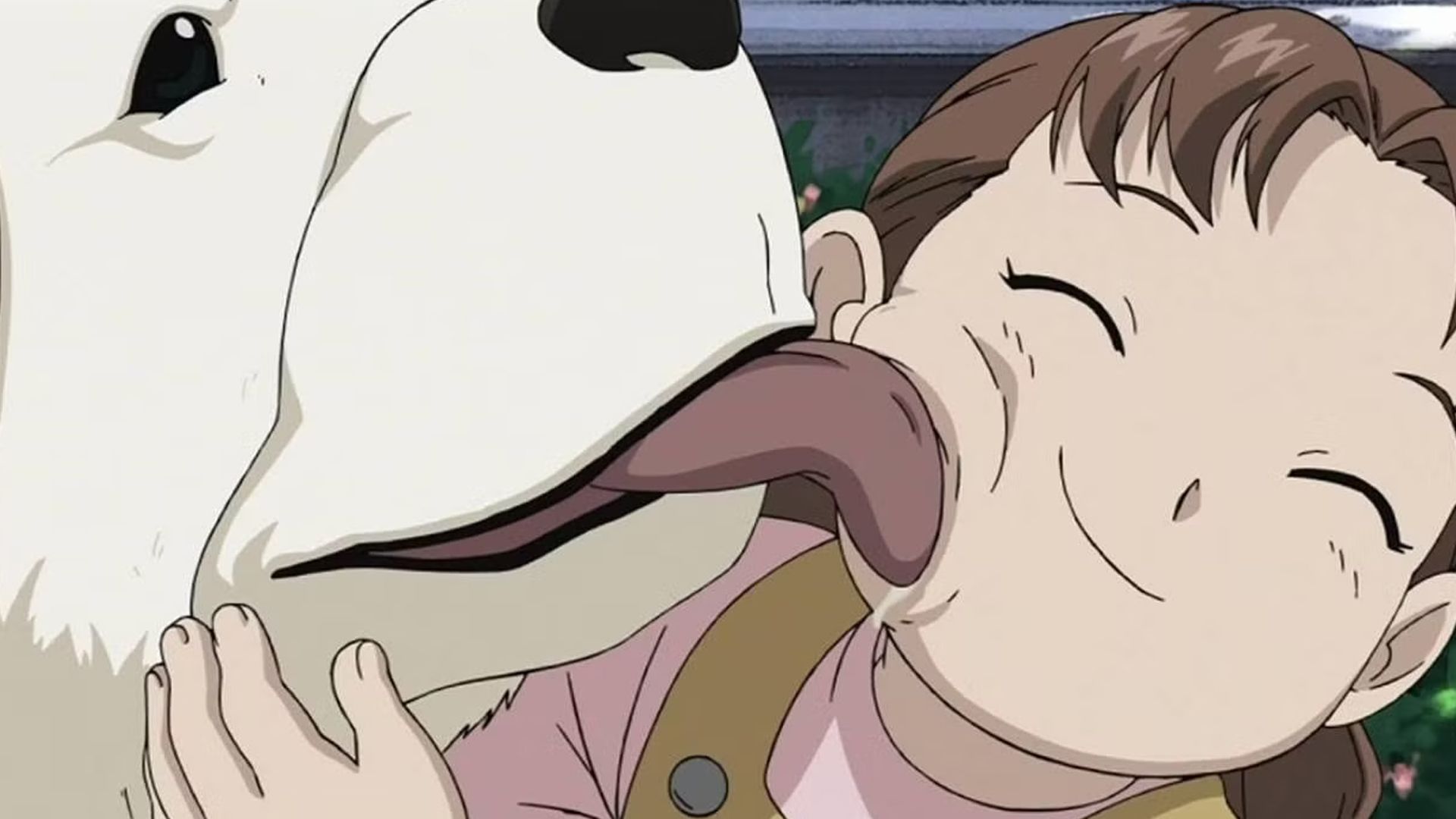
Nina and Alexander Suffered an Unforgivable Fate in FMA: Brotherhood
Few moments in anime are as deeply disturbing as the tragedy of Nina Tucker and Alexander in Fullmetal Alchemist: Brotherhood. What makes this event so horrifying isn’t battle or conflict, but a deeply personal betrayal: a father cruelly using his own daughter and pet in a heartless experiment. Nina isn’t simply killed; she’s robbed of her identity and turned into a monstrous creature.
Shou Tucker’s horrifying choice to combine Nina and Alexander into a Chimera dramatically shifted the tone of the anime, and remains a deeply upsetting moment for many viewers. The complete lack of control in that situation makes it especially painful to remember. Nina has become a lasting symbol of how far people will go to achieve their goals, highlighting a central theme of the series: that certain acts are simply unforgivable violations of human dignity.
2026-05-28 00:33